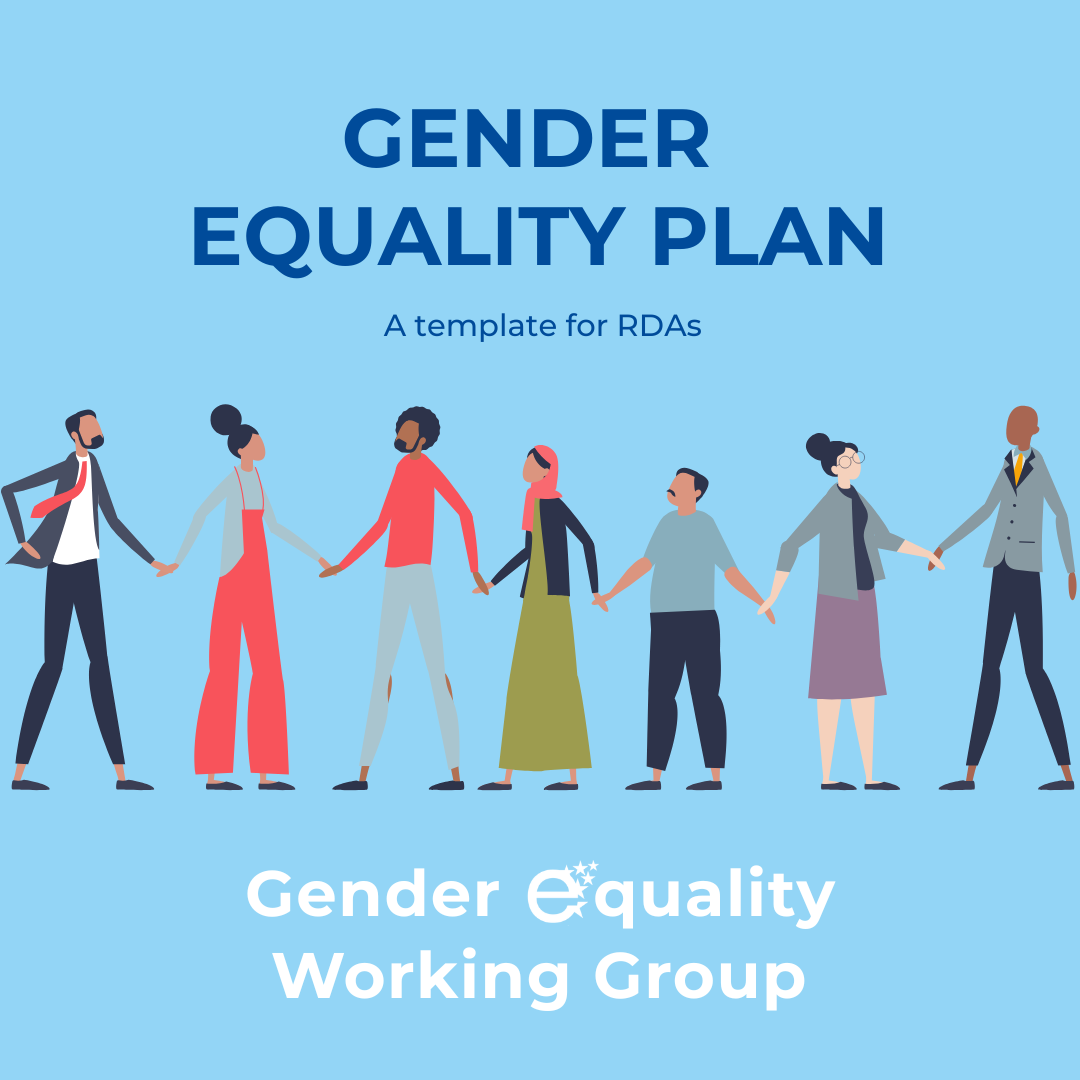
Following two previous sessions dedicated to presentations of members’ practices, GEPs and institutional approaches to gender mainstreaming, this third meeting focused on translating those insights into the Working Group’s first tangible outputs: a Gender Equality Toolkit for RDAs and a Gender Equality Plan (GEP) template tailored to the specific realities of RDAs. Both documents aim to equip RDAs with structured, actionable guidance that supports the mainstreaming of gender equality across organisational processes, programmes and regional innovation ecosystems. Draft versions of these documents were presented and discussed collectively, ensuring the WG’s participatory and co-creative process. Members provided feedback to ensure that the Toolkit and GEP template remain practical, adaptable and responsive to the diversity of institutional contexts across Europe.
A key discussion point during the meeting concerned a shared challenge identified by several members: how to move beyond the formal adoption of GEPs towards their effective dissemination and meaningful implementation. Participants highlighted the importance of (and difficulty of) staff engagement in awareness-raising, training and gender equality initiatives. Addressing this challenge requires embedding gender equality as a cross-cutting priority within organisational strategies, decision-making processes and daily practices. It also entails actively challenging deep-seated biases and fostering collective responsibility, ensuring that gender equality is not perceived as the sole responsibility of a designated officer or unit, but as a shared institutional commitment.
The meeting concluded with a brainstorming session on potential themes for upcoming WG meetings and possible contributions to EURADA’s annual event, AGORADA. These discussions reflected the WG’s ambition to connect internal organisational change with broader regional policy debates and to strengthen synergies with other EURADA initiatives. As the GE-WG continues to grow, its transition from dialogue to structured action represents an important step in supporting RDAs to play a transformative role in promoting more inclusive and equitable regional development. The forthcoming release of the Gender Equality Toolkit and GEP template will further consolidate this effort.
If you are interested in joining the GE-WG or learning more about its activities, please contact our colleague Cristina Sanz Rutherford.